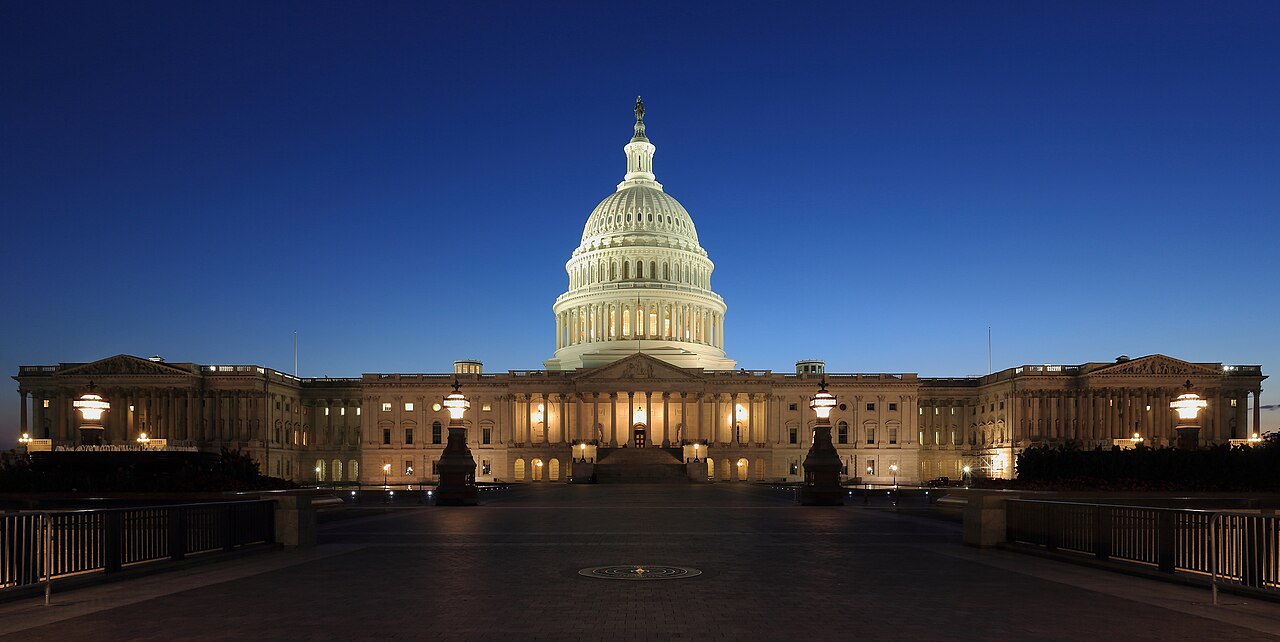
Congress moved in the early hours of Friday to avert a lapse in one of the federal government’s most consequential surveillance authorities, but the scramble exposed familiar fault lines over national security, privacy and the limits of party discipline in the Trump era.
The Senate approved a short-term renewal of Section 702 of the Foreign Intelligence Surveillance Act, extending the program until April 30 after a chaotic House session collapsed when Republicans revolted against President Donald Trump’s push for a longer extension. The stopgap now heads to Trump’s desk, giving lawmakers a brief reprieve but not a durable solution to a fight that has shadowed Congress for years. ([apnews.com](https://apnews.com/article/3dc3e84c3b9b03f52b84dfb3b01fc770))
Section 702 lets U.S. intelligence agencies collect communications of foreigners overseas without a warrant, even though Americans’ messages can be swept up incidentally when they interact with those targets. Supporters say the tool is indispensable for counterterrorism, cyber defense and foreign intelligence. Critics say the law has become a vehicle for warrantless surveillance of Americans and for the government’s use of data brokers to sidestep constitutional limits. ([apnews.com](https://apnews.com/article/fc13cfaa521e3380539611065a45f112))
Late-night chaos on Capitol Hill
The House session unraveled after leaders first tried to advance a five-year extension with revisions, then pivoted to an 18-month renewal that Trump had backed. That version was blocked by a bloc of Republicans joining most Democrats, forcing leaders to settle on a short-term measure in the middle of the night. The stopgap passed by voice vote without a formal roll call, a sign of both urgency and exhaustion inside the chamber. ([apnews.com](https://apnews.com/article/3dc3e84c3b9b03f52b84dfb3b01fc770))
House Speaker Mike Johnson had been trying to line up enough Republican support to avoid another public fracture, but the final outcome showed how difficult it remains for GOP leaders to manage a conference split between hawks who prioritize intelligence tools and skeptics who want more privacy protections. Democrats used the spectacle to mock what they called amateur-hour governing. ([apnews.com](https://apnews.com/article/3dc3e84c3b9b03f52b84dfb3b01fc770))
The timing made the episode more than a procedural embarrassment. The program was set to expire Monday unless Congress acted, meaning lawmakers were racing a deadline that could have forced an interruption in intelligence operations if the negotiations had broken down entirely. ([apnews.com](https://apnews.com/article/fc13cfaa521e3380539611065a45f112))
Trump’s push for a clean renewal
Trump had pressed publicly for a clean 18-month extension and argued that the surveillance authority had proved its value. In social media posts and remarks around the fight, he cast Section 702 as vital to military and intelligence operations, a stance that aligned him with the national-security establishment and put him at odds with some Republican privacy hawks. ([apnews.com](https://apnews.com/article/fc13cfaa521e3380539611065a45f112))
That positioning matters because Trump is no longer just a commentator on the sidelines; he is the sitting president deciding whether to sign the measure and shaping the broader politics around it. His preference for a longer extension suggests the administration wants to put the issue behind it rather than re-litigate surveillance reforms in another few weeks. But the House revolt showed that even a president with a firm grip on the party cannot always guarantee the vote count on a technically narrow but politically sensitive issue. ([apnews.com](https://apnews.com/article/3dc3e84c3b9b03f52b84dfb3b01fc770))
The White House pressure campaign reportedly included a trip to the White House and direct involvement from CIA Director John Ratcliffe, underscoring how hard the administration worked to preserve the authority with as few changes as possible. Even so, the final compromise was a brief extension, not the clean long-term renewal Trump wanted. ([apnews.com](https://apnews.com/article/fc13cfaa521e3380539611065a45f112))
Privacy advocates see another opening
For civil-liberties groups and lawmakers who have long sought limits on Section 702, the latest scramble is a reminder that the law’s reauthorization is increasingly fragile. Critics want warrants before the government can search Americans’ communications in the database and tighter restrictions on the use of commercially available internet data. They argue that the current system is ripe for abuse because it can vacuum up Americans’ data indirectly, then allow officials to search through it later. ([apnews.com](https://apnews.com/article/fc13cfaa521e3380539611065a45f112))
Supporters of reform have not won enough votes to force major changes, but the repeated brinkmanship keeps the issue alive. Each deadline gives privacy-minded lawmakers another chance to attach new conditions or extract concessions, especially if the governing coalition remains divided. In that sense, the 10-day patch to April 30 may be less a resolution than an admission that neither side has the votes to settle the argument definitively. ([apnews.com](https://apnews.com/article/3dc3e84c3b9b03f52b84dfb3b01fc770))
The renewed fight also comes at a moment when Congress has already shown how hard it is to sustain consensus on basic government functions. After a shutdown fight earlier this year, lawmakers are again confronting a narrow, time-sensitive deadline on a national-security issue that can be hard for the public to follow but easy for partisans to weaponize. ([apnews.com](https://apnews.com/article/471e55ba4c3247051739ee1b50b2857a?utm_source=openai))
What happens next
The short extension buys lawmakers less than two weeks to decide whether Section 702 should be renewed for a longer period and, if so, with what restrictions. That means the next deadline is already looming, and the same arguments about warrants, privacy and intelligence effectiveness are likely to return almost immediately. ([apnews.com](https://apnews.com/article/3dc3e84c3b9b03f52b84dfb3b01fc770))
For Johnson, the episode is another reminder that managing a slim and ideologically mixed majority can turn even routine intelligence work into a political cliffhanger. For Trump, it is a chance to show he can keep his party in line on an issue where his instincts, the intelligence agencies’ demands and the freedom caucus’ skepticism do not always point in the same direction. And for civil-liberties advocates, it is evidence that the surveillance debate is far from over. ([apnews.com](https://apnews.com/article/3dc3e84c3b9b03f52b84dfb3b01fc770))
The next few days will determine whether Congress can turn a temporary reprieve into a longer authorization, or whether the country is headed for another scramble at the end of the month. Either way, the fight over Section 702 is now one of the clearest tests of how the Trump-led GOP intends to balance security, privacy and internal dissent in 2026. ([apnews.com](https://apnews.com/article/3dc3e84c3b9b03f52b84dfb3b01fc770))